

SUN, SHIELDS AND SHOUTING AT HASTINGS

1066: THE TAPESTRY OF A CONQUEST (PART 2)
Stepping onto the battlefield to relive the day England changed forever
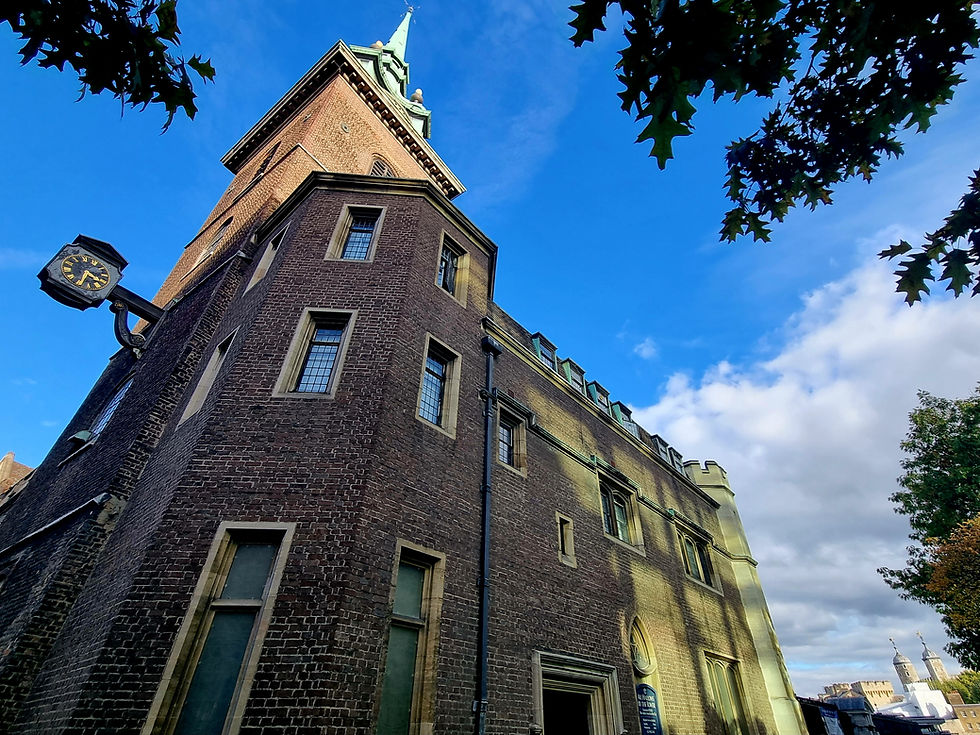
From the quiet, stone-arch sanctuary of a London church, our 1066 story leads straight south! Leaving the capital behind, I traded city streets for the wide-open hills of East Sussex, so excited to feel the raw energy of the actual spot where history was rewritten—the grounds managed by English Heritage at the 1066 Battle of Hastings Abbey and Battlefield.
If Blog 1 was about the subtle, hidden threads of art and architecture, Blog 2 is where history gets gloriously loud—and sun-soaked! There’s reading about history in a book, and then there’s standing on a windy, grassy hill with hundreds of people shouting in Old English!

In the Saxon Camp: Living History & Pre-Battle Tension
Before walking the battlefield ridge itself, I spent time exploring the living Saxon camp under a brilliant October sun. It felt like stepping straight back into 1066!
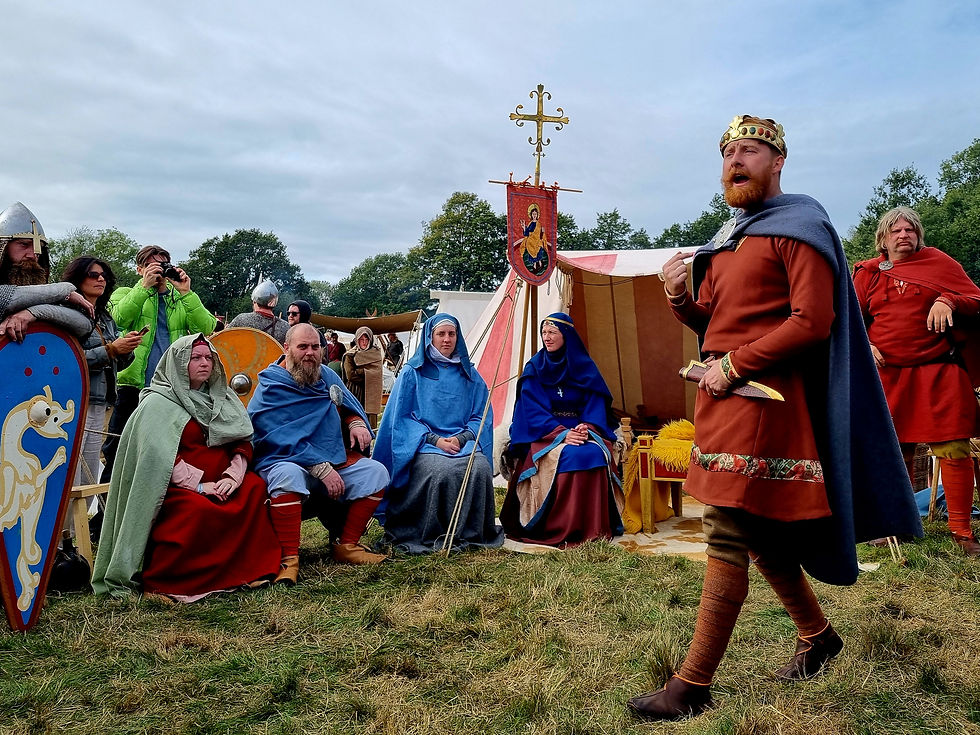
Wandering among the tents, you could see what everyday Saxon life was really like as they prepared for battle. You could smell woodsmoke floating through the air, watch re-enactors cooking traditional meals over open fires, see craftsmen carefully shaping wooden bows and leather shields, and watch women spinning wool and stitching heavy clothes for the autumn chill.
What struck me most was how directly this connects back to the Bayeux Tapestry itself! Nearly everything we know about how these soldiers dressed, the weapons they used, and how they lived comes from those very stitches made almost 1,000 years ago. Watching the re-enactors was like seeing the scenes from the tapestry come alive in 3D right in front of me!
The highlight for me was standing in the crowd as King Harold gave his dramatic final speech to rally his troops. Hearing his call to defend their homes and land against the invaders brought such a real, human weight to the history—it wasn't just a date in a textbook anymore, but real people bracing themselves for a fight that would change their world forever.
Walking the Ridge: Strategy and Soil
Stepping out of the camp and onto the historic battlefield ridge with sunglasses on, the land under the clear sky immediately tells a story that no book can ever fully capture.
Standing near the site where King Harold’s Anglo-Saxon "shield wall" held firm, you look down the steep, dry slopes and instantly see the terrifying challenge facing William’s invading Norman army.
Walking those Sussex paths on such a crisp, sunny afternoon changes how you see the whole battle. When you look at the steep hill with the autumn shadows stretching across the grass, you finally understand why Harold picked this high ground—and why holding that ridge was his absolute best defence against charging Norman cavalry. It brings abstract history right down into real, physical space!

The Clash: History Brought to Life
Then the battle started! Just as the armies lined up, dark clouds covered the sun—it felt just like a scene from a film!
When the actual clash began, the crowd went wild. Thousands of us were cheering loudly for the Saxons and booing the Normans every time they charged up the hill.
Watching the battle unfolding in front of my eyes made the Bayeux Tapestry suddenly come alive in my head. Instead of pictures embroidered on linen, I was seeing galloping horses, falling soldiers, and flashing weapons. The loud crunch of wooden shields clashing together and arrows raining down from the sky was unforgettable. It made me realize just how terrifying, loud, and chaotic that day in October 1066 must have been!

William's Penance
As the sun began to set, the day ended at the beautiful stone ruins of Battle Abbey. William built this abbey on the order of the Pope to make up for all the bloodshed.
Placed on the exact spot where King Harold died. Walking through these ruins in the warm afternoon light felt completely surreal—a quiet reminder of a day that changed England forever.
Looking Ahead
The smoke from the battle has cleared and the sun is going down over Sussex, but our story isn't over yet! Everything that happened on this field—the battle plans, the clashing shields, and the tragic defeat—was recorded in needle and thread.
Next stop: Back to London, the British Museum, and coming face-to-face with the Bayeux Tapestry itself!
Plan Your Visit: Battle Abbey & Battlefield
Location: 1066 Battle of Hastings Abbey and Battlefield, High Street, Battle, East Sussex, TN33 0AE.
Getting there: Direct trains run regularly from London Charing Cross or London Bridge to Battle station (about a 10-minute walk from the entrance).
Ticket Booking: Managed by English Heritage. Advance booking via the English Heritage official website is highly recommended, especially during the anniversary event weekend in October.
Question for you: If you could travel back in time to witness one major historic event, which one would you pick? Let me know in the comments!

Comments